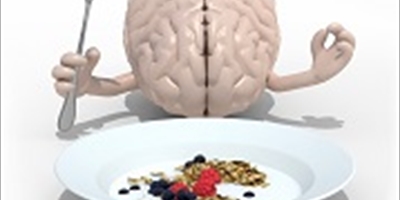
Calming Foods for the ADHD Mind
Nutrition, Mood, and ADHD
What children eat doesn’t just affect their physical health—
it also impacts how they feel, behave, and regulate their emotions.
Research suggests that diet quality is مرتبط with emotional regulation.
Healthier eating patterns are associated with better emotional balance, while less balanced diets may be linked to increased emotional challenges.
Why This Matters for ADHD
Children with ADHD often experience:
- Emotional ups and downs
- Impulsivity
- Difficulty with self-regulation
Nutrition is not the only factor—but it can play a supportive role in how these symptoms are experienced and managed.
Building a Supportive Diet
Focus on Balance
A balanced diet includes:
- Proteins
- Healthy fats
- Complex carbohydrates
- Essential vitamins and minerals
All of these work together to support brain function.
Prioritize Key Nutrients
Certain nutrients are especially important for brain and nervous system function, including:
- Iron
- Magnesium
- Vitamin D
- B vitamins
- Zinc
Whenever possible, these should come from whole, natural foods.
Be Careful with Supplements
Before introducing supplements:
- Consult a healthcare professional
- Confirm whether there is a real deficiency
- Follow proper guidance and dosage
Reduce Processed Foods
Highly processed and packaged foods may:
- Contain artificial additives
- Provide less nutritional value
Focusing on whole foods can support more stable energy and mood.
Watch for Additives
Some families choose to reduce:
- Artificial colorings
- Preservatives
as these may affect behavior in certain children.
Consider Food Sensitivities
In some cases, food sensitivities may play a role.
If needed, consult a professional about:
- Allergy testing
- Structured elimination approaches
Support Stable Energy Levels
Balanced blood sugar supports better focus and mood.
Helpful habits include:
- Regular meal times
- Pairing carbohydrates with protein or healthy fats
- Choosing lower-glycemic foods when possible
A Holistic Approach
Nutrition is one piece of a larger picture that includes:
- Sleep
- Physical activity
- Emotional support
- Cognitive skill development
Where FocusTraining Fits In
FocusTraining supports the development of:
- Attention
- Self-regulation
- Cognitive control
When combined with healthy lifestyle habits like balanced nutrition, these skills can develop more effectively.
Small Changes, Meaningful Impact
You don’t need a perfect diet.
Even small, consistent improvements can help children feel:
- More stable
- More focused
- More in control
At FocusTraining, we support a whole-child approach—
because strong minds are built through both skills and daily habits.